01 / FIVEThe Big Shift: Why Brands Are Trading Celebrities for the Creator Next Door
Five years ago, influencer marketing meant one thing: pay someone famous a lot of money and hope their audience cared. In 2026, the biggest brands in the world have largely stopped doing that. Industry benchmark data shows roughly 73% of brands now favour micro and mid-tier creators over celebrity partnerships, and about 40% of dedicated influencer budgets are spent specifically on micro-influencers — creators with somewhere between 10,000 and 100,000 followers.
This isn't a cost-cutting story. Brand budgets for creator programs are growing — 71% of brands are committing to year-over-year increases, with much of that money moving out of traditional channels. Enterprises are choosing micro-influencers on purpose, because the numbers keep telling them the same thing: smaller audiences, bigger results.
The reason is simple and a little uncomfortable for traditional advertising: 92% of consumers say they trust peer recommendations over branded content. A celebrity post reads as an ad. A micro-influencer post reads as a friend saying "I tried this and it worked." That difference shows up directly in engagement, clicks, and sales.
02 / FIVEThe Numbers Behind the Move
The performance gap between micro and mega creators is not subtle. On Instagram, micro-influencers average around 3.86% engagement, compared to roughly 1.21% for accounts with over a million followers. On TikTok the gap widens — micro creators average close to 8.7% engagement, and nano creators exceed 10%.
Cost tells the same story from the other direction. A micro-influencer post typically runs $100–$1,000, where macro and celebrity placements start at $5,000 and climb fast. Per post, brands report costs around 60% lower with micro creators — which means the same budget buys ten or twenty authentic voices instead of one expensive one.
Put engagement and cost together and you get the ROI picture: influencer marketing overall returns an average of $5.78 for every dollar spent, but micro-influencer campaigns lead the category at around $7.14 per dollar — with beauty and fitness campaigns reaching as high as 11x at the top end. If you run a beauty, health, or aesthetics business, you are sitting in the single best-performing niche for this channel.
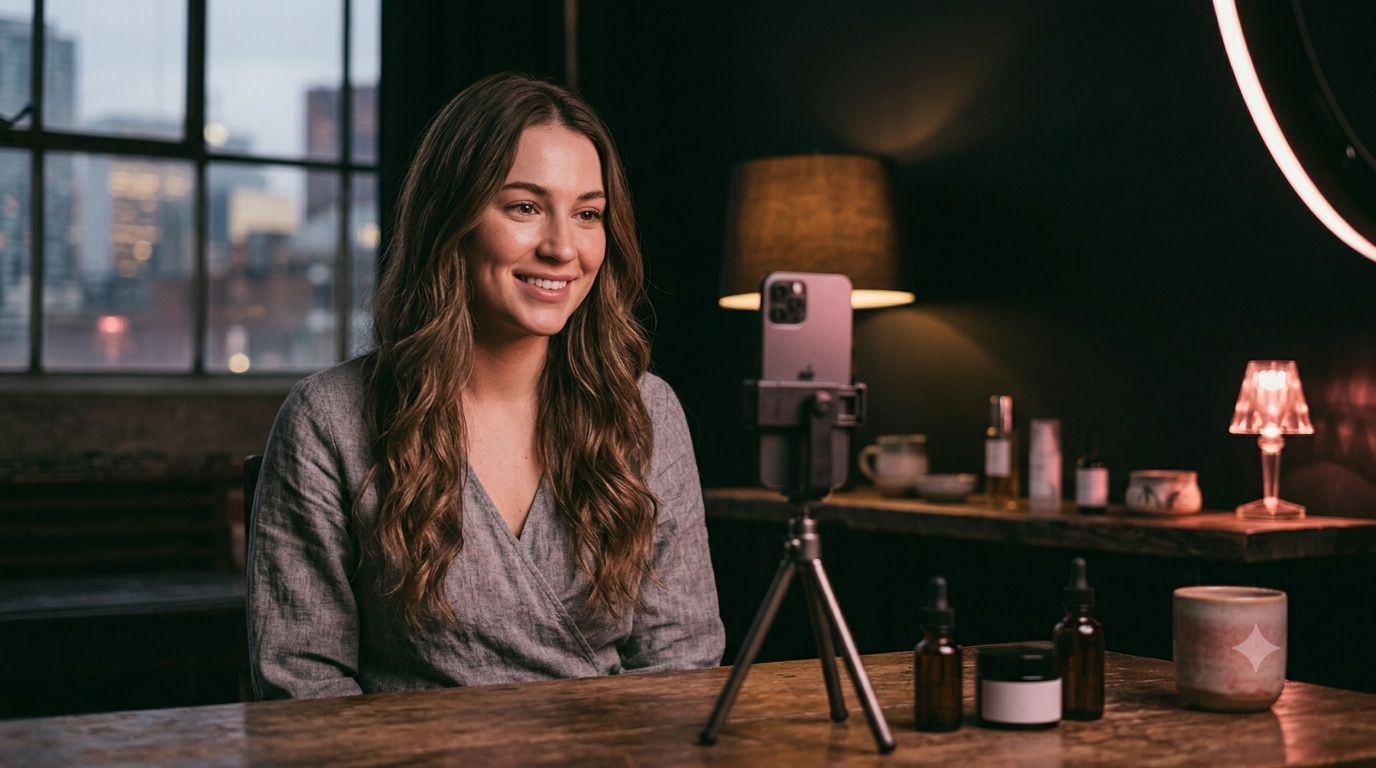
A micro-influencer isn't a smaller billboard. They're a trusted voice with a camera — and trust is the one thing an ad budget can't buy.
03 / FIVEWhat a Micro-Influencer Does That an Ad Can't
Ads interrupt. Creators belong. When a micro-influencer posts about a product or a service, it lands in a feed their audience chose to follow, in a voice that audience already trusts. The comments section fills with real questions — "does it actually work?" "how much was it?" — and the creator answers them. No ad format does that.
Micro creators also hold something larger accounts lose as they grow: niche authority. A skincare creator with 25,000 followers has an audience made almost entirely of people who care about skincare. A celebrity with 5 million followers has an audience made of everyone — which, for a brand, means mostly no one.
And the platforms reward it. Creator content is native content — it gets organic distribution, it can be reposted, repurposed into ads (whitelisting), and it keeps working long after a paid campaign would have burned out. The brands seeing the best results in 2026 have also stopped doing one-off posts: long-term partnerships, where the same creator mentions a brand repeatedly over months, consistently outperform single sponsored posts because repetition builds trust and earns algorithmic lift.
Want a micro-influencer program without the management headache?
RTC sources, vets, and manages Toronto creators for brands and clinics — end to end, tracked to real bookings and sales.
Book a Free Strategy Call04 / FIVEHow to Build a Micro-Influencer Program That Actually Converts
The gap between brands that profit from micro-influencers and brands that waste money on them is almost never the creators — it's the process. Here's what a working program looks like:
- Start with the outcome, not the creator. Define what a win is — bookings, sales, sign-ups — before you contact anyone. "Awareness" is not a goal you can invoice.
- Source by audience fit, not follower count. The question is never "how many followers?" — it's "are their followers your customers?"
- Vet the engagement, not the vanity metrics. Real comments from real accounts beat inflated follower numbers. Fake-follower checks take minutes and save thousands.
- Brief, don't script. Give creators the key message and the guardrails, then let them speak in their own voice. Scripted content reads as an ad and performs like one.
- Negotiate deliverables and usage rights up front. Posts, stories, exclusivity, and whether you can reuse the content in your own ads — all of it in writing before anything is filmed.
- Track everything. Unique codes, tracked links, and dedicated landing pages turn "I think it worked" into "this creator drove 41 bookings."
- Keep your winners. When a creator converts, sign them for six months, not one more post. Long-term beats one-off, every time.
05 / FIVEWhere Clinics and Local Businesses Fit In
Everything above scales down beautifully — and for local businesses, it arguably works better. A med spa in Yorkville doesn't need a creator with a national audience; it needs five Toronto creators whose followers live within driving distance. A micro-influencer's audience is not just smaller, it's closer — geographically and personally.
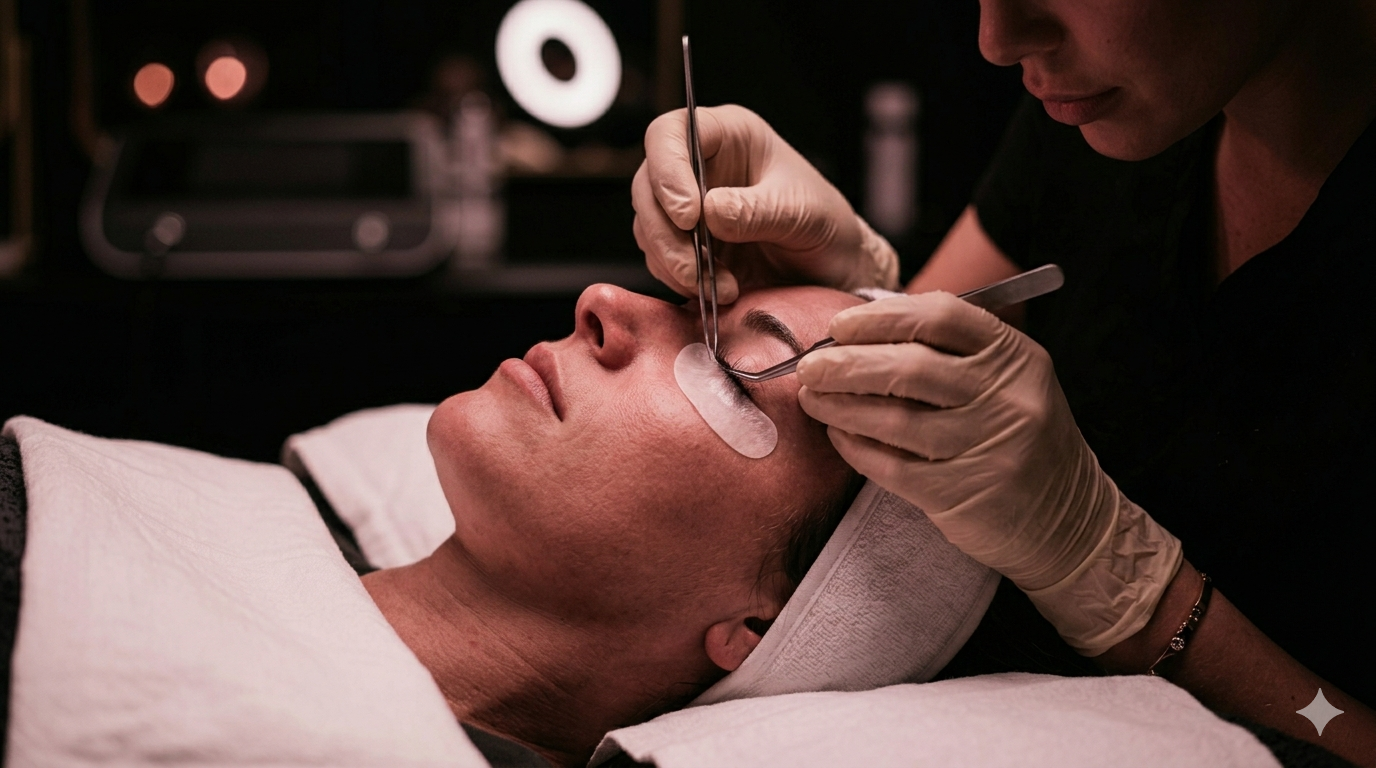
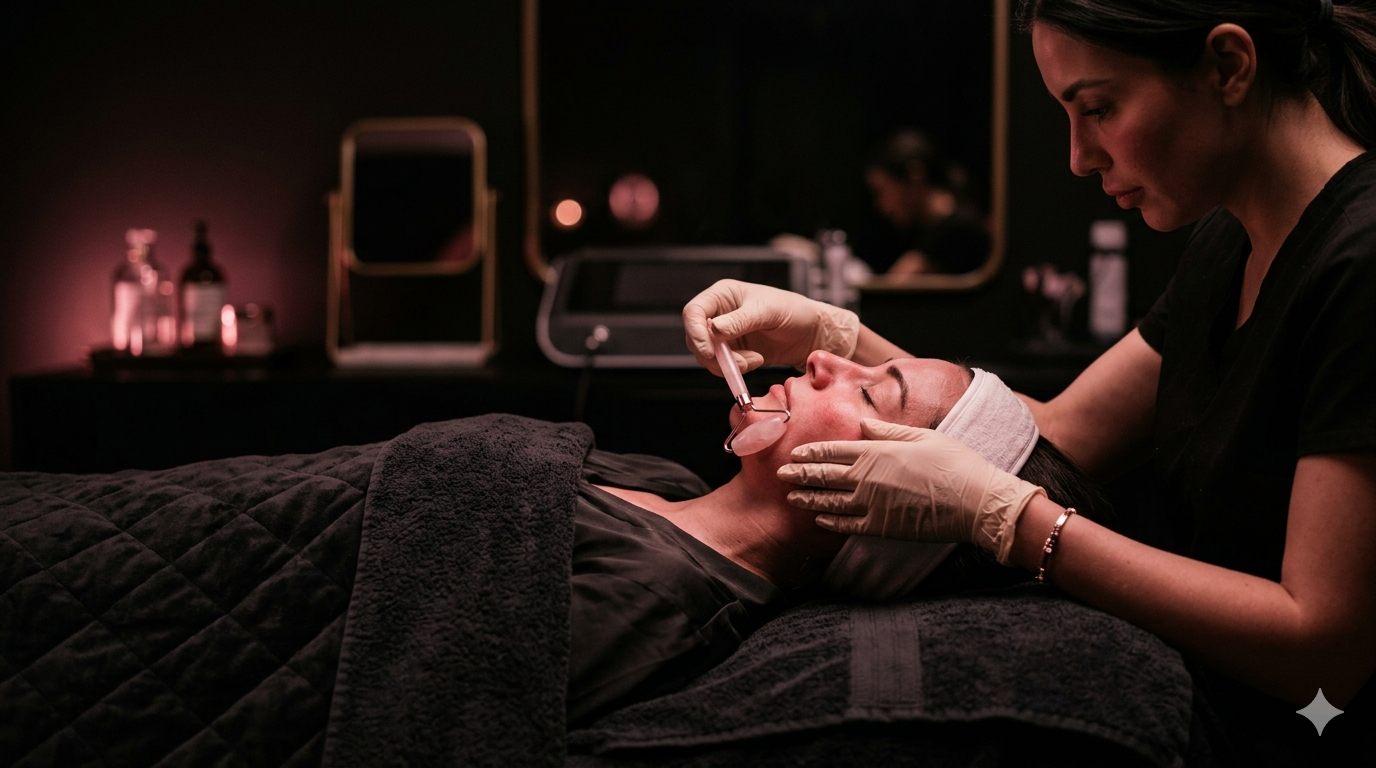
Picture a GTA beauty creator with 18,000 local followers filming her actual facial appointment, walking through the results a week later, and answering DMs about pricing. That single partnership routinely outperforms a month of paid ads for a fraction of the cost — because her followers weren't targeted, they were already listening. The same logic works for dental clinics (smile journeys), restaurants (local food creators), and jewellery (styling and unboxing content).
In a market as competitive as Toronto's beauty and aesthetics scene, micro-influencer partnerships are one of the few channels where a local clinic can genuinely out-market a bigger competitor — not by outspending them, but by out-trusting them.
Reel Time Creations manages micro-influencer campaigns end to end for brands and clinics — sourcing and vetting local creators, negotiating partnerships, briefing content, and reporting on what actually converted. See our micro-influencer marketing service, our full influencer marketing service, or everything RTC offers.