01 / SIXSkincare Has a Trust Problem, and Launches Feel It First
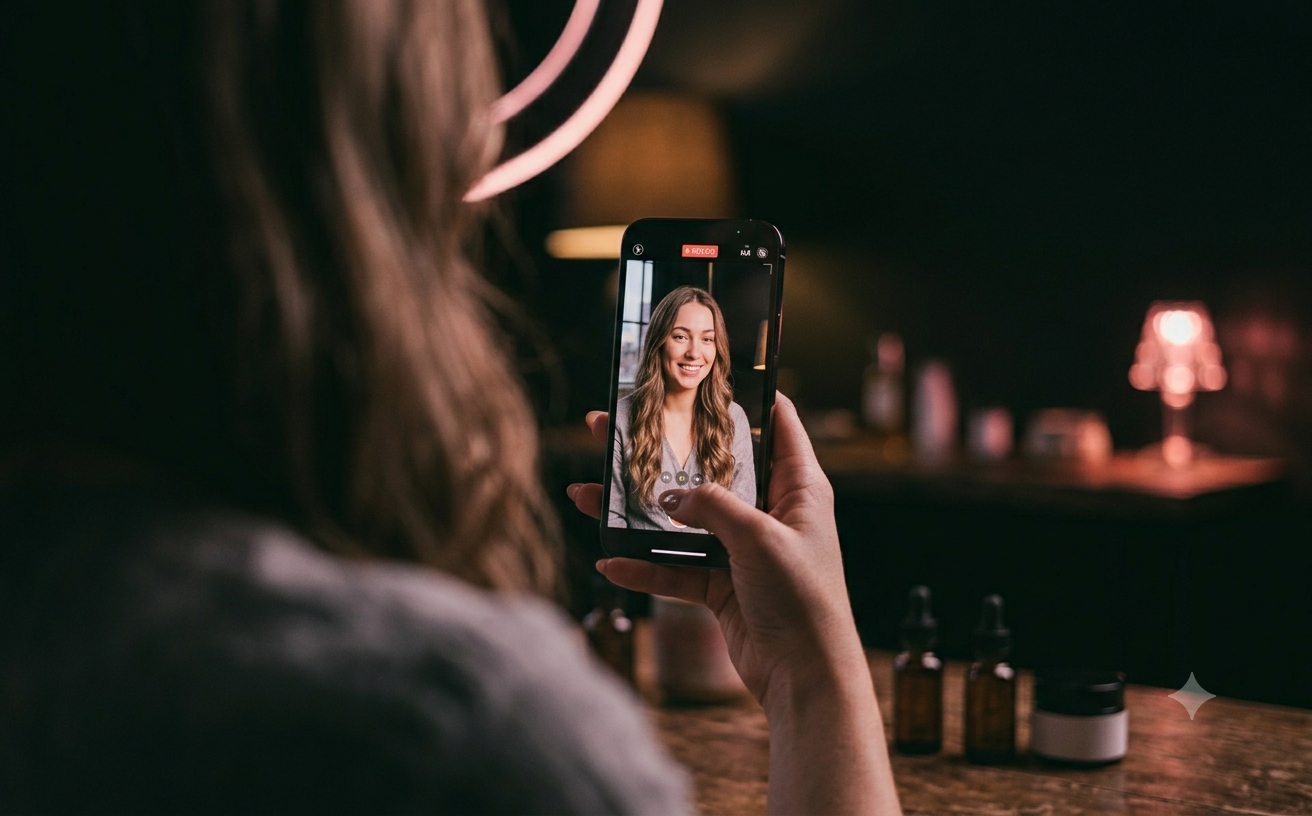
Anyone who has scrolled beauty TikTok knows how this goes. A new product drops, the same twenty creators post the same unboxing, and by Friday everyone has moved on. Audiences have learned to tune it out. They know most of what they see is gifted or paid, and they’ve been burned by enough “holy grail” products to be sceptical of the next one.
Skincare makes it harder than most categories. You’re asking someone to put something on their face, often for weeks before they see a difference, and often at a price that takes some faith. The question in the buyer’s head isn’t “is this pretty?” It’s “will this actually work for my skin, and is it safe?”
Creators can’t fully answer that on their own. A creator can show texture, routine and results on their own skin. What they can’t do is explain why an ingredient works, who it isn’t right for, or how it fits alongside a treatment the viewer is already getting. That’s where practitioners come in.
02 / SIXWhat Experts Add That Creators Can’t (and the Other Way Around)
Doctors, nurses, injectors and dentists carry something brands can’t buy with a bigger budget: earned credibility. When a practitioner explains what niacinamide does, or why someone on a retinoid needs a gentler cleanser, people listen differently. They save the video. They send it to a friend. They ask follow-up questions in the comments.
But experts on their own rarely move product. Their content tends to be careful and measured, and honestly a little dry. Most of them don’t have time to film, edit and post on a creator’s schedule, and their reach is often concentrated among existing patients.
Creators fill that gap. They know how to make a product look good on camera, they post consistently, and their audiences treat them like a friend with good taste. Put the two together and each covers what the other is missing.
“The expert answers ‘does it work?’ The creator answers ‘would someone like me actually use it?’ A launch needs both.”
03 / SIXThree Launch Formats That Put Experts and Creators Together
1. The expert-led launch event
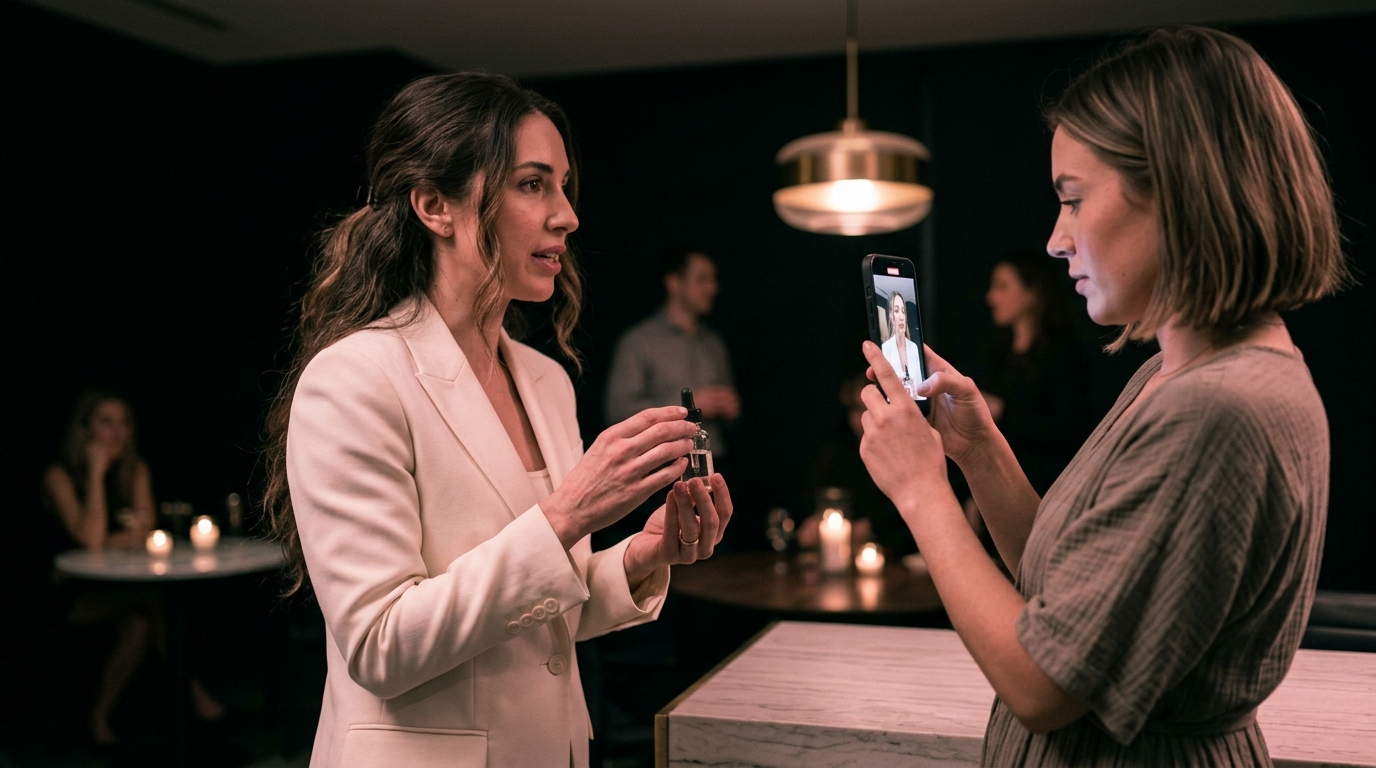
Instead of a cocktail party where creators film the step-and-repeat and leave, build the event around a short talk or live demo from a practitioner. Creators get something real to post about, the Q&A gives them better content than another flat lay, and guests leave knowing how to use the product. Keep the talk to 15 minutes at most and leave plenty of time for questions.
2. In-clinic placement and demos
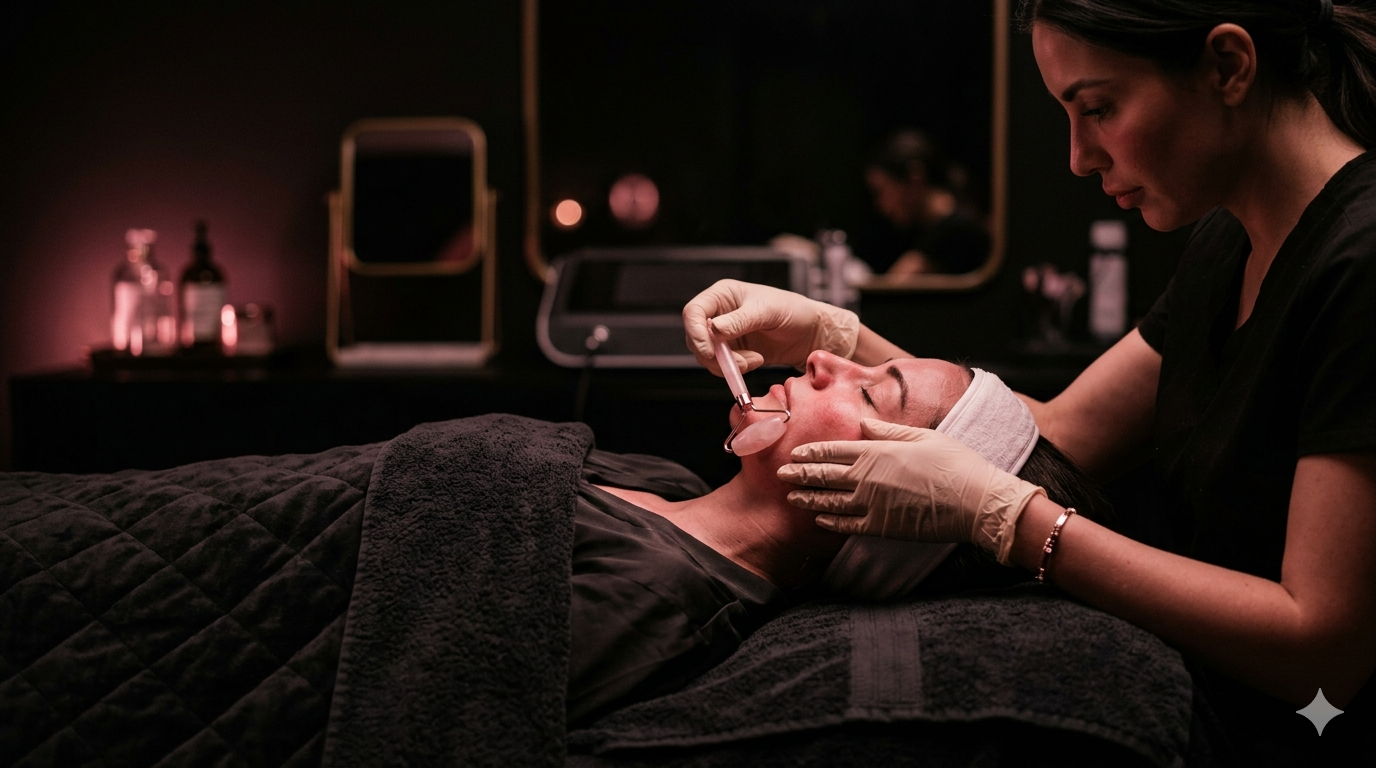
Med spas and skin clinics are where a lot of people already go for skincare advice. Placing a product in a partner clinic, whether that’s on the retail shelf, in a post-treatment kit or as part of a facial, puts it in front of buyers at the exact moment they’re thinking about their skin. Pair it with a creator who books a treatment and films the experience, and you get content and sales in the same place.
3. An education series
Some products need more explaining than one post allows. A short series of practitioner explainers, three to five pieces on ingredients, routines and who the product suits, gives creators something to reshare and stitch. It keeps working long after launch week, and it’s the format least likely to read as an ad.
Creators and clinic experts, booked through one contact
The RTC Creator Network pairs hand-picked GTA creators with practitioners from our partner clinics, and every event comes with a recap within 48 hours.
Request the Media Kit04 / SIXKeep the Expert an Educator, Not a Spokesperson
This is where a lot of brands get it wrong, and the risk lands on the practitioner’s licence, not just the campaign.
In Ontario, physicians answer to the College of Physicians and Surgeons of Ontario. Its advertising policy says doctors must not let their name or likeness be used in advertising for a commercial product or service other than their own medical services, and it rules out testimonials. Other professions have their own regulators and their own rules. Nurses, dentists, naturopaths and pharmacists each answer to a different college, and the rules aren’t identical. In the US, state licensing boards set their own standards, and the FTC’s Endorsement Guides expect an expert endorser to actually have the expertise they’re presenting.
The practical takeaway: build expert involvement around education. What an ingredient does, how to build a routine, who should be careful, how a product fits around a treatment. Let the creators handle the “I love this” part. And have the practitioner check their own college’s rules before anything is scripted. That’s their call, not the brand’s.
Three more rules apply to everyone involved:
- Keep claims cosmetic. In Canada, saying a product treats acne, heals skin or stimulates collagen can move it out of the cosmetic category and into drug or natural health product territory, which has different rules. Talk about how skin looks and feels, and run claims past whoever handles your regulatory compliance.
- Disclose every partnership. Ad Standards’ Influencer Marketing Disclosure Guidelines (updated October 2025) and the FTC both expect paid or gifted content to be clearly labelled, in the caption or with the platform’s paid-partnership tool, not buried in a pile of hashtags.
- Get consent for anything filmed in a clinic. Get it in writing, especially if patients, charts or treatment rooms could end up on camera.
Quick note: we’re a marketing agency, not a law firm. Treat this section as a starting point and confirm the details with the practitioner’s regulator or your own counsel.
05 / SIXHow to Brief a Doctor-and-Creator Launch
The best briefs are short and specific. Before the invites go out, get clear on:
- The one thing you want people to understand about the product, in a single sentence
- Which claims are approved, and which are off limits
- What the expert will cover, and what they won’t
- What each creator is delivering (Stories on the day, a Reel within a week, and so on), agreed in writing
- How every piece of content will be disclosed
- Who approves content before it goes live, and how quickly
- Where people can buy or try the product after the event
That last point matters more than people think. If someone watches a practitioner explain your serum and then can’t find it anywhere, you’ve paid for awareness and left the sale on the table. Partner clinics that stock the product close that loop.
06 / SIXMeasure What Trust Looks Like
Likes are the weakest signal in an education-led launch. The numbers that show it worked are the ones that show intent: saves and shares on the expert content, questions in comments and DMs, link clicks, and enquiries or sales at the clinics carrying the product.
Ask for the data early. A good partner should send every link, screenshot and reach figure within a couple of days of the event, not three weeks later when the moment has passed. That recap is also how you decide which creators and experts to bring back for the next launch.
This is the kind of launch the RTC Creator Network was built for. We work with hand-picked beauty, wellness and lifestyle creators across the GTA, plus practitioners and partner clinics for demos, education content and in-clinic placement, and we’re now expanding into Miami. Every event comes with a recap within 48 hours. Request the current media kit or, if you’re a clinic looking for something ongoing, see our influencer marketing programs.
FAQQuestions Brands Ask Us
Can a doctor promote a skincare product on social media in Ontario?
Physicians in Ontario are governed by the CPSO, whose advertising policy says they must not let their name or likeness be used in advertising for commercial products other than their own medical services. Other health professions follow their own college’s rules. The safest approach is to keep practitioners in an educational role and have them confirm their college’s requirements before anything is filmed.
Are doctor-and-creator collaborations worth it for a small skincare brand?
Often, yes, because credibility is usually what a small brand lacks most. You don’t need a big event. One in-clinic demo or a short education series with a single practitioner and a few local creators can do more than a large gifting campaign.
How do I find a clinic to partner with on a launch?
Look for clinics whose patients match your customer and whose treatments pair naturally with your product. An agency with existing clinic partners can shortcut the introductions and handle the logistics, so you’re not cold-calling med spas a week before launch.